
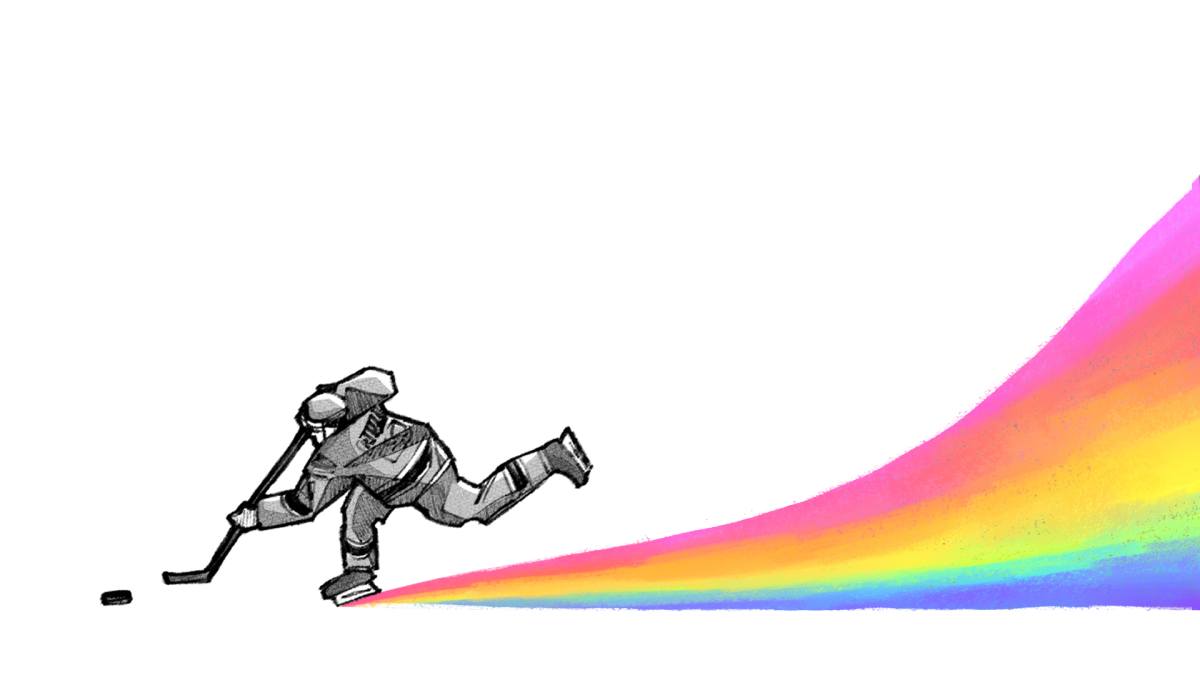
Sports have very strict rules about who gets to be vulnerable, and the appropriate times. Jason Kelce is allowed to sob at his retirement press conference, and be flooded with support, but if an athlete comes out as gay, the vulnerability becomes “unacceptable.”
The further that an athlete strays away from the typical masculinity role society has set on them, the more backlash they face, not for performance, but backlash surrounding their identity.
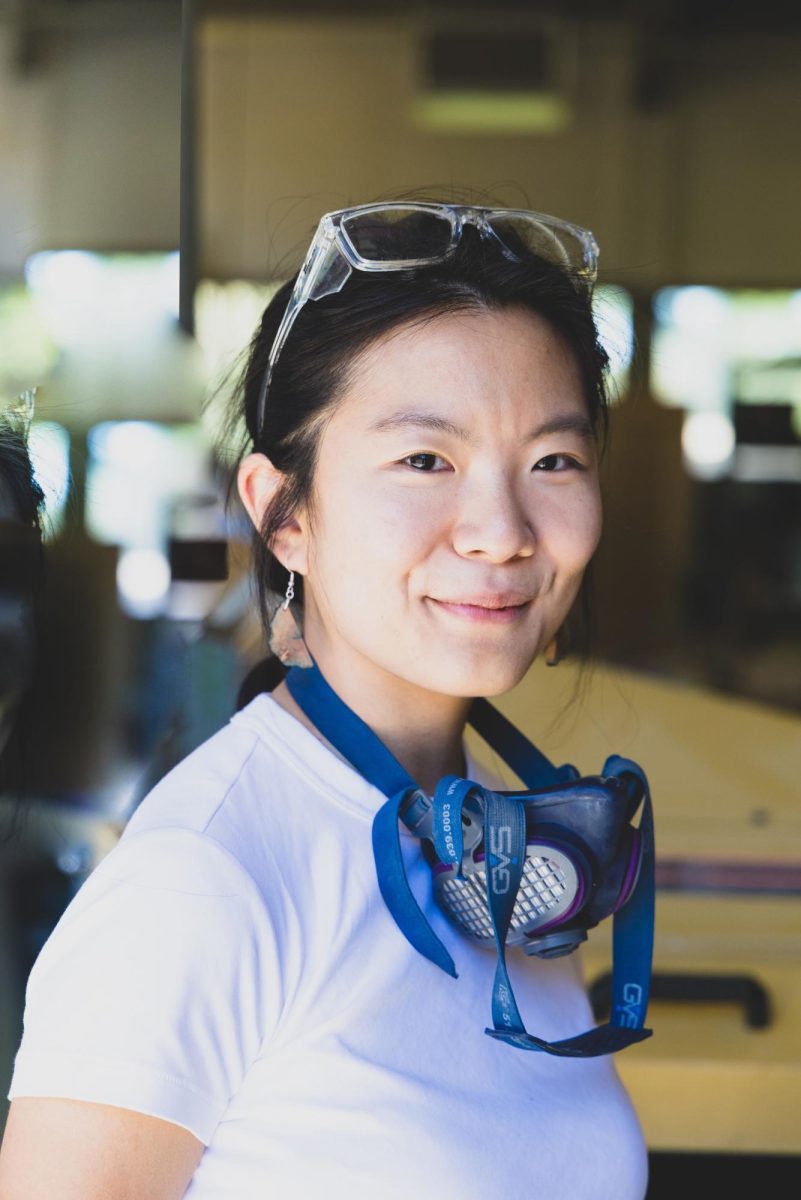
Oregon State’s I-Yun Lee, a Doctoral Student and PhD Candidate in Women, Gender, and Sexuality Studies shared her insight about why coming out in sports is so different.
“A lot of times there’s this very rigid idea of gender and masculinity and what it means to be an athlete, and so you know being kind of shipped into the position of the further away you are from the idealized masculinity, the more kind of scrutiny you invite,” said Lee.
Sports are a highly gendered space with not a lot of room or space for these athletes to push back on what the societal “norm” is in terms of men and women competing.
Athletes have a fear of being defined only by their identity once they are out, when the main focus should be on their performance, not their sexual orientation.
Media representation of queer athletes can help lessen the divide in society, and Lee explains that visibility is very important for athletes to successfully come out and still feel that their performance is what matters most.
“Knowing that there’s someone who’s able to occupy that kind of space, but also be successful in their sport is huge.”
Seeing success in other athletes who have come out is empowering for athletes to feel comfortable enough to come out themselves.
“For queer athletes and LGBTQ athletes, representing in a certain way in sports is important because once you come out, that kind of overrides your identity as an athlete,” said Lee.
For these athletes, coming out should be celebrated and a moment to show their true selves, but often it does the opposite.
Coming out reduces these athletes to a single dimension, pushing to the back the years of training and dedication they have put into their sport.
“There is a very specific kind where men can be vulnerable about sports, specifically they just care about the game so much,” said Lee.
Lee explained that for men in sports, showing vulnerability can be socially acceptable when they are showing happiness or pride for the game, because fans react positively to that emotional response.
The acceptance, however, is conditional. Being emotional about losing a game or leaving a team to pursue the next chapter of your career, those are all acceptable in society.
Tears over personal identity, relationships, or finally expressing yourself? Those tears remain off limits out of fear of judgement.
Lee feels that college athletes and their fans have a unique opportunity to redefine acceptance in sports and coming out at this level.
“I think shifting the burden from the athlete to the community and sport culture is going to be helpful too.”
Having a shift ultimately means that the department and coaches need to take steps to create inclusive environments. Environments where there are policies implemented as well as educating the team about LGBTQ+ issues, an overall commitment to changing the culture.
Once the culture shifts and homophobia is challenged, once inclusion is a main priority, it sends a direct message to all athletes that each and every one of them belongs and is welcome.
When asked what her last piece of advice is for athletes struggling with this societal pressure, Lee expressed the importance of staying true to who you are.
You know who you are so don’t let anyone dim your light or take away the power you have built for yourself.











Margi Fraser • Feb 19, 2026 at 6:08 pm
Whow. What a great article. Thank you for sharing