Editors note: This opinion-piece does not represent the opinion of Beaver’s Digest but rather it reflects the personal opinions and observations of the writer.
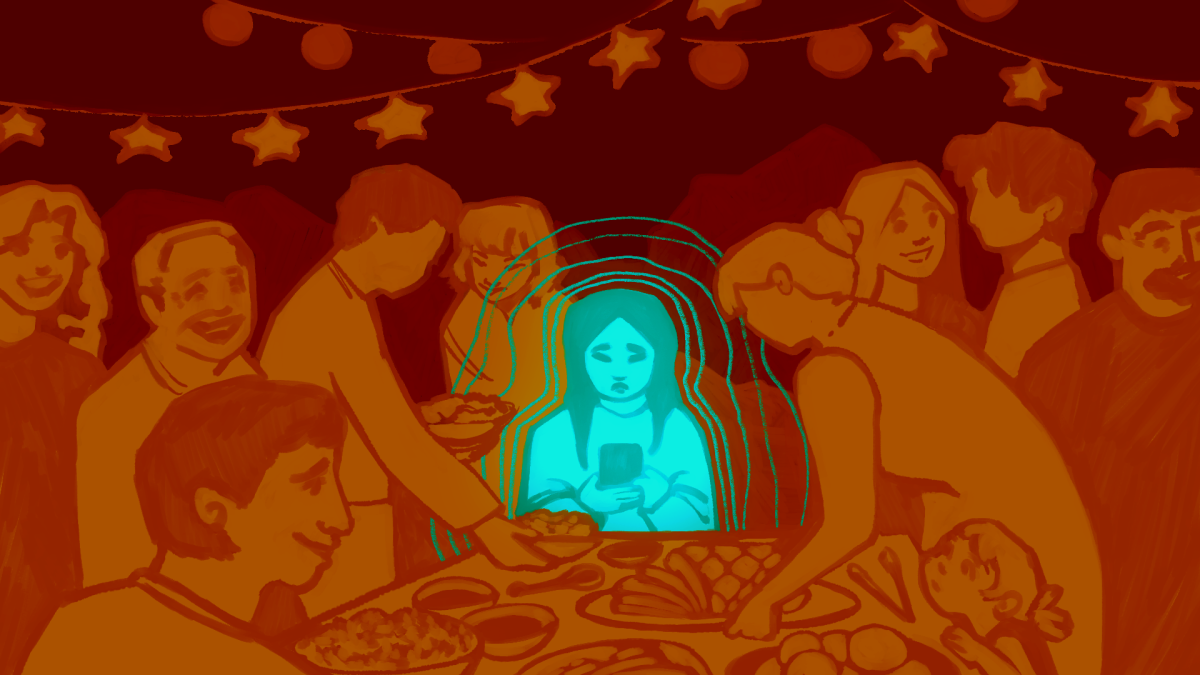
As the holidays approach, family recipes return at full speed, but so does the annual flood of “don’t eat that” content appearing on everyone’s social media feed.
This degree of content published on social media can create unrealistic expectations around body image and food, creating higher levels of guilt and stress for college students.
An Oregon State University student and a mental health psychologist from Counseling and Psychological Services (CAPS) at OSU dove deeper into how these posts can harm mental health and the enjoyment of the holidays.
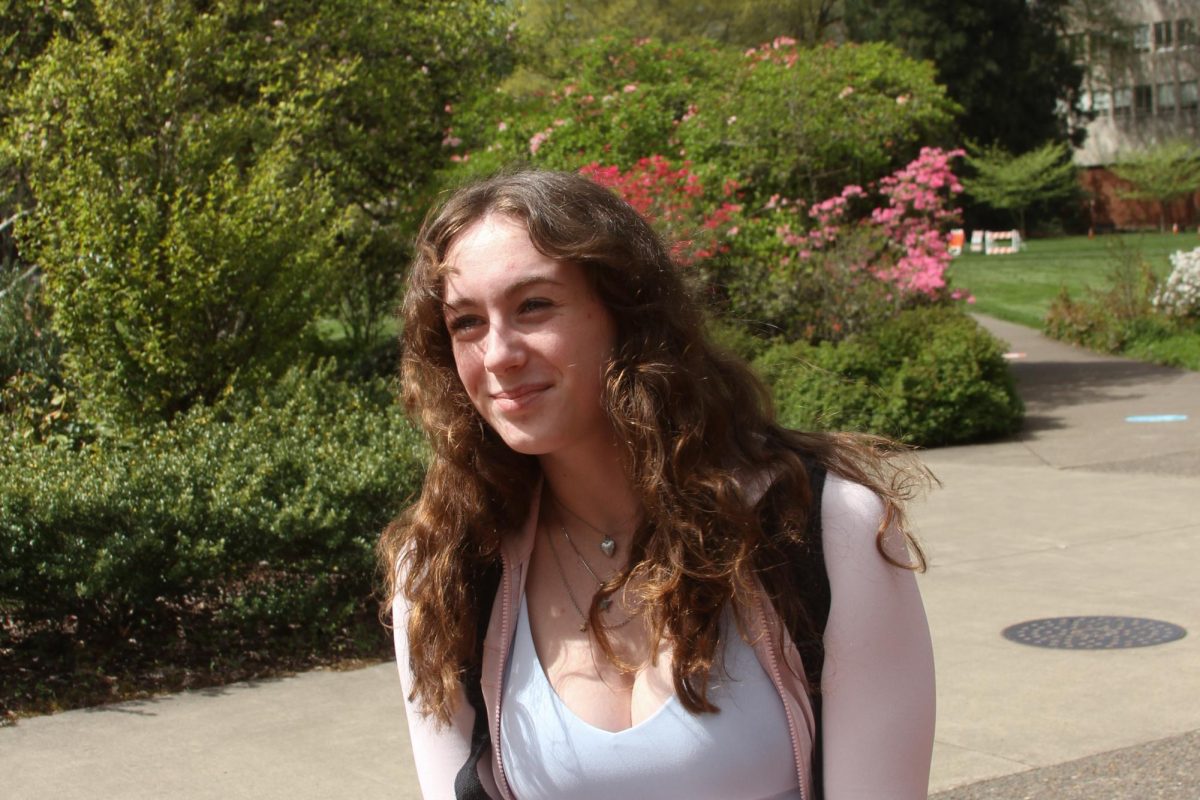
Ellison Maul, a fourth year at OSU, studying Psychology with a Sports Business Minor, explained that she often sees an increase in working out and eating habits around the holidays.
She also sees a higher level of pressure and stress during the holiday season because women are constantly compared on social media, creating harmful ideals in the heads of young women.
“Especially when people are thinking about Spring Break right around the corner and wanting to look fit and good for that, I do think people do add pressure to that,” said Maul.
This goes back to the larger issue in society where social media creates an environment where one “body type” is the standard, and anything else is unacceptable or not “beautiful”.
Platforms like TikTok and Instagram often elevate or prioritize the “ideal” body type, making anyone outside of that body type feel less than or not worthy in society.
Social media and public content that is posted glamorizes this lifestyle of “earning” your meals through working out, but it ultimately reinforces the dangerous idea that food is something to compensate for, rather than a normal, joyful part of the holiday experience.
“A reward system shouldn’t be for eating, especially because eating is something that’s so important for our bodies, and like that nutrition, so I think that building the reward mindset is not as healthy,” said Maul.
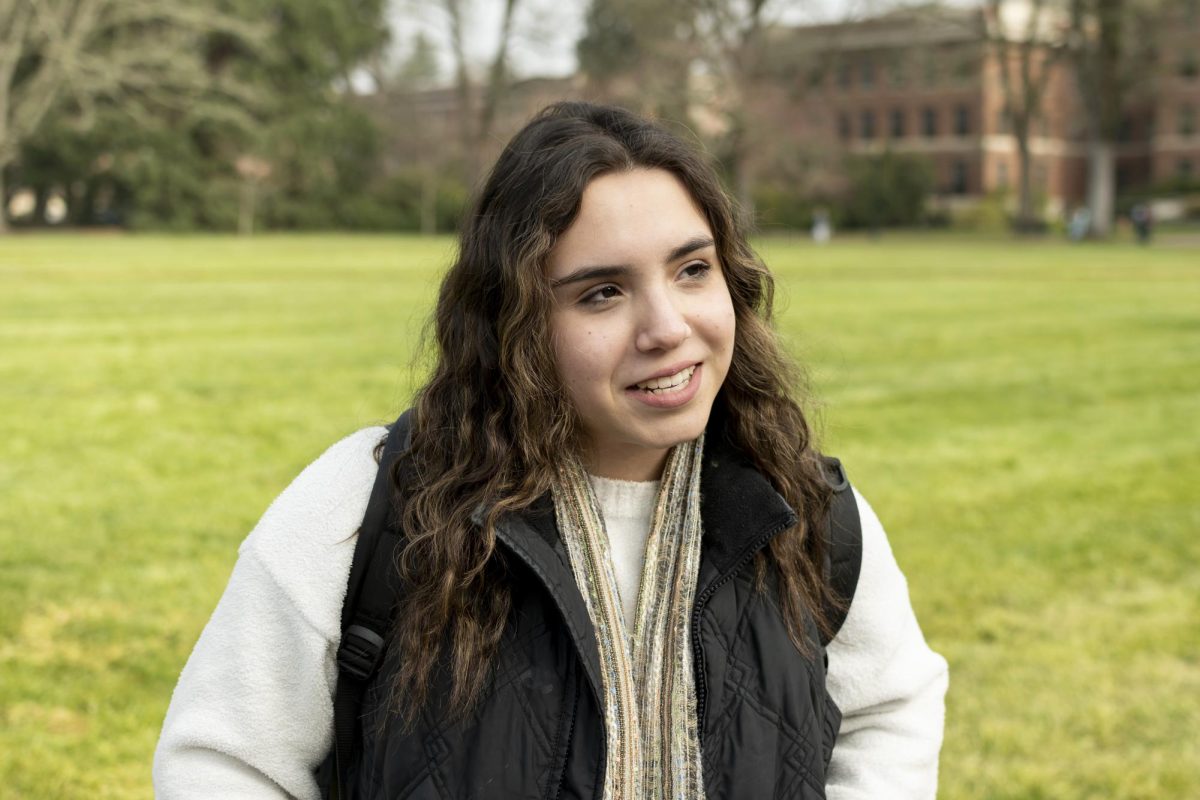
Here at OSU, licensed psychologist for CAPS, James Morrell, expanded on the idea that the number one trend he sees between college students during the holidays is perfectionism.
“Perfectionism is number one. I think that when it comes to comparison with friends, with how we eat, what we eat, what movement we engage in and give to our bodies, and the relationship we have with our bodies, I think the number one trend that can be seen is perfectionism,” said Morrell.
Unfortunately, even the most “positive” content published for the public to see can trigger shame or unrealistic expectations because social media pulls comparisons out of students, pulling them out of the present moment.
The holidays are meant to be filled with love, gratitude, and ultimately doing what brings you the most joy and peace, but how can we fully embrace that when social media is so present in our lives.
“I like to follow an intuitive eating mindset, and I still try to like stay active while I’m at home for the holidays too, and I don’t go to my typical gym, but I’ll go on long walks or do like something with my siblings to just get outside and stay active,” said Maul.
Maul emphasizes the importance of being in tune with your body, especially during the holidays.
Giving yourself grace to relax when your body needs it, and staying active in ways that feel good for you, not what you believe you “should” or “need” to be doing, according to someone on social media.
Staying present and surrounding yourself with family and friends that support you and your mental well-being, rather than promoting unhealthy mindsets that do not serve you are not how you want to be spending your holiday season.
Morrell gave several pieces of invaluable advice when navigating this holiday season, as well as resources that CAPS at OSU provide for students dealing with this anxiety and stress that comes along with social media and promoting disordered eating.
“The first step is honesty with yourself, and that can only happen if you take a step back. And you intentionally, you know, have an honest conversation with yourself about what are your goals, but also like taking a step back and noticing how your relationship with either food or exercise is impacting you,” said Morrell.
By taking a step back and being honest with yourself, students can enjoy the holidays without guilt, focusing on connecting with their family and friends, rather than social media pressures.
OSU offers a variety of resources through CAPS counseling services, including traditional services where you talk with a clinician, group services that come together and tackle difficulty eating, and stress management tools to help students navigate this season with a healthier mindset.