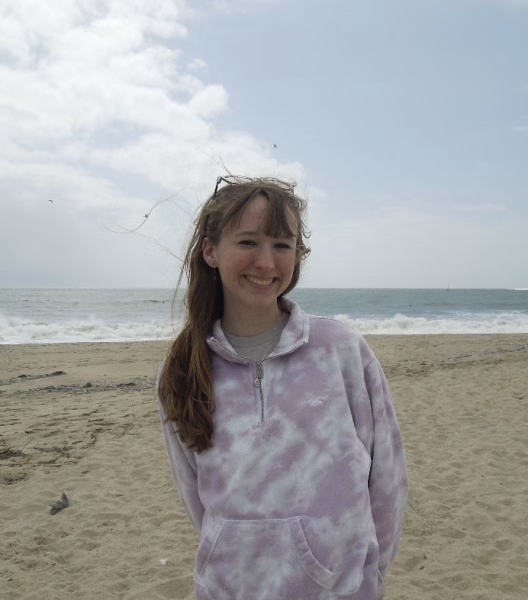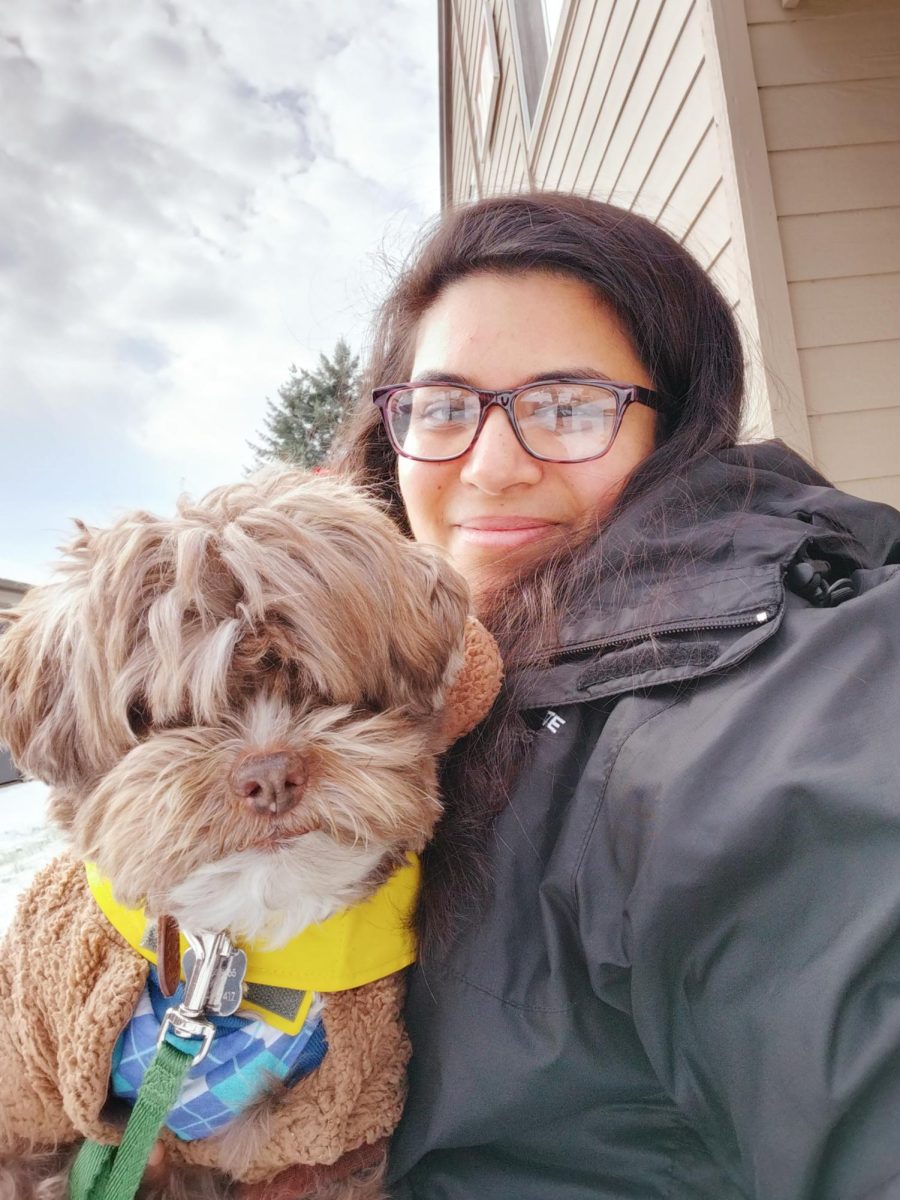
Kyrn Freehling-Burton, a Senior Instructor for WGSS, Women, Gender & Sexuality Studies, and Queer Studies paraphrases Abigail Disney, Walt Disney’s niece, saying, “it’s because of how much she loves Disney that it’s important for her to be able to be critical of it.”
Freehling-Burton is one of the professors who teaches WGSS 225 – Disney: Gender, Race, Empire. She came to Oregon State University to do her Master’s in women studies and then she was offered an assistantship in the women studies program.
She eventually started to teach part time while raising her children and once they were older, she started teaching full time because she enjoyed teaching so much. She says now she’s, “been teaching now for 20 years at OSU.”
Although she has much enthusiasm about the class, she credits Dr. Patti Duncan for creating the class, “she actually taught a version of it at Portland State University, where she was a professor before we brought her to OSU.”
She says she’s the main professor who teaches it, although her and Duncan had some overlap over the years with some graduate students. “But now that Shaina’s here, Shaina and I are like tag teaming, who’s teaching it on campus, who’s teaching it online.”
Shaina Khan is another instructor of WGSS 225, originally from Kentucky, she says, “this is my first year teaching full time at OSU, for the five years before that, I was in the PhD program in WGSS, and just happened to get lucky, they were hiring an instructor right around the time I was finishing my PhD, and managed to get hired.”
She says that she loves talking about this class and teaching it, saying, “most people around the world are familiar with Disney, so it’s a good entryway into talking about gender, race, class, and disability, with these films and some TV shows that people are mostly familiar with already.”
Khan voices her opinion on Disney, saying, “I think what can be hard it you’re a big fan of Disney, is to criticize how they portray people and difference, like gender, some of the stereotypes that Disney tends to bring into movies, especially regarding race, and it’s, I think, it’s a good experience for understanding how media, like films, impact the way we see the world.”
She speaks on the first Disney movies the class focuses on, the classic princess movies such as Snow White, Cinderella, and Sleeping Beauty, “that gives us a solid foundation for talking about the princess idea that exists in Disney movies and in American culture.”
“Then we go through the, what Disney calls, their Renaissance era, starting with The Little Mermaid and going through the 90s. So we talk about Hercules and The Lion King and then we get into more recent films, so Moana is a big one that we discuss. Usually I teach Pocahontas and then Moana to compare the two films’ representation of indigenous peoples and cultures.”
Khan goes on to say, “Turning Red is a really fun one to discuss with, you know, like Asian American family. It takes place when I’m the same age as the character. So that’s really fun for me, like nostalgic sort of way too.”
Freehling-Burton has the same format for her section in terms of assignments as well, but adds that, “my favorite week, we do Coco and Encanto, in the same week we talk about borders, and belonging and recovering from trauma, and how you can do that in a children’s movie.”
Khan says that, “Students are expected to watch the films before class, just because there isn’t enough time to watch all the films and discuss. We watch clips during class, some of them I will have queued up ahead of time, and I’ll have some clips I want us to watch, and some students will bring up part of the movie that they think is important to look at.”
When asked about class content like quizzes and tests she says, “it depends on who teaches it. I don’t do quizzes, there are papers, they’re short papers. We do toy analysis, so everyone either goes to the toy department of a physical store, or goes online to a store’s website, and analyzes how toys are marketed to children and what images of children are on toys.”
“It’s a good way to recognize influence that Disney and other corporations have on children,” Khan says.
Khan talks about the final for the class, saying, “most people who teach it [WGSS 225], they allow a creative option for the final project. So you can do a short film or painting or comic strip, but the goal is to show what you learn about Disney as this like, media empire, and some people will rewrite a Disney story to be more inclusive.”
Although the class is focused on the animated Disney movies, Khan mentions that Disney remakes will inevitably come up in class, “I do want to talk about them too. It’s really interesting to see going from the original to the remake, what Disney thought they had to change.”
She says that one of the assignments in the class is to choose a Disney film or TV show that she didn’t assign to do an analysis on and, “a lot of my students will choose a remake for that to analyze on its own or to compare to the original.”
Khan says she tries to avoid watching the remakes, “but the one that I’ve actually liked was their Cinderella film [2015].”
Freehling-Burton says, “we’re critical, like we’re looking at it. We look at movies. We look at Disney as an empire, as a corporation, critically, right? It has been problematic. It has been, you know, around workers rights, certainly around, you know, representation of race and disability, and you know, gender, identity, sexuality.”
Khan says that, “I think one of the most harmful ones that we discuss in class is Pocahontas, because it takes a real person’s story and really, it really changes the details of what this person actually went through.”
She closes by assuring students that, “WGSS classes, including Disney, have students from every major in the university. We really tailor these 100, 200 level classes for everybody. So you don’t have to know anything about gender, race, or empire to take this class. Like, everyone’s welcome.”