Editors note: This opinion-piece does not represent the opinion of Beaver’s Digest but rather it reflects the personal opinions and observations of the writer
“Oregon State Athletic Department: No cuts to sports, scholarships as revenue sharing kicks in,” headlines Ryan Clarke in his Oregonian Times article, yet those in athletics know this is not true.
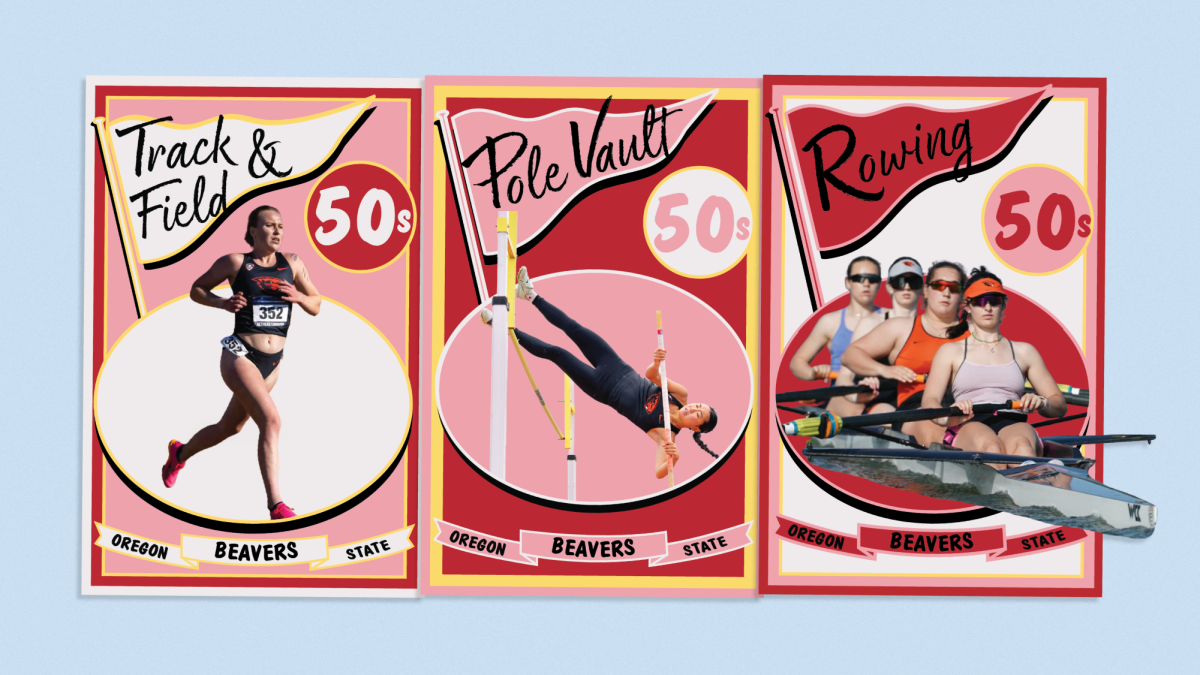
This year, the OSU Women’s Track and Field, Cross Country, and Rowing teams are experiencing cuts. While official financial details aren’t publicly available, multiple athletes (who requested anonymity) have reported losses in staff—particularly social media teams—and growing concerns over future funding.
Women’s Division I sports, especially Olympic sports, are slowly being edged out of the conversation. With the collapse of the Pac-12 and the introduction of the House Settlement, many women in athletics feel increasingly sidelined.
The common argument thrown at discussions about women’s sports is: “Well, no one watches them.” But this claim falls apart under scrutiny. In 2019, a study by Cheryl Cooky and colleagues found that 95% of televised sports coverage—including ESPN’s SportsCenter—focused solely on men’s sports. If nearly all airtime is male-dominated, the fact that women’s sports are watched at all is impressive.
In fact, the 2024 NCAA women’s basketball championship drew 18.7 million viewers—more than the men’s final, which brought in 14.8 million.
Despite this interest, only 16% of professional sports teams are female. At the college level, women make up 44% of student-athletes.
So the question becomes: Is no one watching women’s sports, or are there simply fewer opportunities to watch?
While the lack of media representation is a huge issue, the larger financial landscape of college sports deserves urgent attention—starting with the House Settlement.
The House Settlement is the most recent large factor in women’s collegiate athletics. In short, the House Settlement is a 2.78 billion dollar bill paying back athletes from previous years for money they “could have” earned from previous NIL deals. It sounds good, right?
Let’s clarify “The agreement mandates that 90 percent of the $2.78 billion in damages go to football and men’s basketball players. Five percent will go to women’s basketball players and 5 percent to athletes in all other sports,” writes Matt Brown about the settlement.
That is $2.502 billion guaranteed to male athletes and only $139 million guaranteed to female athletes.
To make this even worse, the NCAA is only paying for 60% which means that all NCAA schools are paying 40% of their revenue in backpay because of the House Settlement.
While I’m sure you understand the gravity of the situation, there is one more massive piece of the puzzle I need to point out: Name, Image, and Likeness (NIL).
NIL is a student-athlete’s way of making money by using their image as an athlete. The idea started with student-athletes wanting to just get paid for their labor. Many student-athletes have used this initiative to do amazing things and even start their own business. However, the numbers aren’t pretty for female student-athletes.
According to Opendorse data provided by Grady Capstone, “Male athletes have made close to 70% of total NIL earnings in the previous two years.”
There is a massive gap between NIL earnings. According to Nick Cottongim’s article “Top 20 College Athletes With The Highest NIL Valuations”, all the top 20 are men. Not one female, only a list of 20 males.
Bottom line: the gender gap isn’t considered okay anywhere else in society, so why should it be in athletics?
Women athletes train just as hard. They compete with just as much heart. And they deserve better than silent cuts, shrinking budgets, and second-class treatment.